
laminated glass storm windows
Understanding Precision Thread Gages An Essential Tool in Manufacturing In the world of manufacturing and precision engineering, the accuracy of threaded components is paramount. Enter precision thread gages—a vital instrument that ensures threads meet exact specifications and tolerances. This article delves into the importance, types, and uses of precision thread gages within various industries. What are Precision Thread Gages? Precision thread gages, often referred to as thread gages or thread measuring tools, are specialized devices designed to measure the parameters of threaded components. These gages determine the conformity of a screw or bolt thread to predefined specifications, including pitch, diameter, and thread form. By utilizing these gages, manufacturers can accurately assess whether a threaded part is suitable for assembly and function within a mechanical system. Importance of Precision in Manufacturing In sectors such as aerospace, automotive, and electronics, the slightest deviation from specifications can lead to catastrophic failures. For instance, a poorly threaded bolt in an aircraft can undermine the integrity of a critical assembly, potentially endangering lives. For this reason, precision thread gages are not just tools; they are safeguards ensuring safety, reliability, and quality in manufacturing processes. Types of Precision Thread Gages There are various types of precision thread gages, each tailored for specific applications 1. Go/No-Go Gages These are perhaps the most common types of thread gages. The Go gage checks that the thread can accept a specific fastener, while the No-Go gage ensures the thread does not exceed the maximum acceptable limits. If a threaded part passes the Go gage but fails the No-Go gage, it is deemed unacceptable. precision thread gages 2. Thread Micrometers These devices allow for the measurement of the pitch diameter of a threaded component with incredible accuracy. They are essential for applications requiring the measurement of internal and external threads. 3. Thread Plug and Ring Gages These tools are utilized for checking internal and external threads, respectively. A thread plug gage is designed to be inserted into a tapped hole, while a ring gage is used on external threads. Each is calibrated to specific standards to ensure precise measurements. 4. Profile Gages These gages analyze the thread profile to ensure that the form and contour of the threads meet design specifications. They are crucial for assessing helical threads, trapezoidal screws, and other specialized threading systems. Applications in Various Industries Precision thread gages find applications across a broad spectrum of industries. In the automotive industry, they are utilized to test fasteners used in machinery and body assembly. Aerospace manufacturers depend on these gages to certify components such as engine mounts and landing gear assemblies, where precision is non-negotiable. The electronics industry also relies on precision thread gages to ensure the proper fit of screws and connectors within devices, reducing the risk of malfunction. Additionally, in the realm of medical devices, gages are critical for verifying the integrity of threaded components that can directly affect patient safety. Conclusion Precision thread gages are indispensable tools in modern manufacturing. They not only enhance the efficiency of production processes but also ensure the safety and reliability of end products. As industries continue to evolve, the demand for precision measurement tools like thread gages remains critical. By investing in quality gaging solutions, manufacturers can uphold stringent quality standards and meet the demands of an increasingly competitive marketplace. This commitment to precision ultimately fosters trust among consumers and industry stakeholders alike, marking the importance of precision thread gages in manufacturing excellence.
about
laminated glass storm windows
How to Change a Main Water Valve Changing a main water valve may seem like a daunting task, but with the right tools and instructions, it can be accomplished by a homeowner with basic plumbing knowledge. The main water valve is essential for controlling the water supply to your entire house, making it crucial to ensure it is functioning properly. Here’s a step-by-step guide on how to change your main water valve safely and effectively. Tools and Materials Needed Before starting the process, ensure you have the following tools and materials 1. Pipe Wrench For loosening and tightening connections. 2. Adjustable Wrench Useful for securing fittings. 3. Screwdrivers Both flathead and Phillips for any screws present. 4. Teflon Tape For sealing threaded connections. 5. Basin Wrench If the valve is in a tight location. 6. Replacement Valve Ensure you have the correct size and type based on your current valve. 7. Bucket To catch any residual water when you remove the old valve. 8. Safety Goggles and Gloves For protection during the process. Step 1 Locate the Main Water Valve The first step is to locate your main water valve. It is typically found near where the water line enters your home, often in the basement, crawl space, or on an exterior wall. The valve may look like a round wheel or a lever. Familiarizing yourself with its location is important, as you will need to turn it off before replacing it. Step 2 Turn Off the Water Supply Once you’ve found the valve, turn it off by rotating it clockwise. If it’s a lever valve, simply turn the lever perpendicular to the piping. This action will stop the flow of water into your home. To verify that the water is off, turn on a faucet in the house and ensure that there is no water flow. Step 3 Drain the Pipes After shutting off the main water valve, it’s necessary to drain any remaining water from the pipes. Open the lowest faucet in your home to allow air into the system, which will help drain the remaining water out. Placing a bucket underneath the valve can help catch any water that spills during the removal process. how to change main water valve Step 4 Remove the Old Valve Using the pipe wrench, begin loosening the nuts that secure the main water valve to the pipes. If the valve is rusty or stuck, you may need to apply penetrating oil and allow it to sit for a while before attempting to loosen it again. Be careful to hold the pipe securely to avoid damaging it. Once the nuts are loosened, remove the old valve completely. Step 5 Install the New Valve Before installing the new valve, wrap the threaded ends of the pipe with Teflon tape. This will help create a watertight seal and prevent leaks. Next, position the new valve in place and hand-tighten the nuts to secure it. After ensuring it's correctly aligned, use the adjustable wrench to further tighten the connection. Be cautious not to overtighten, as this can damage the valve or pipes. Step 6 Turn the Water Supply Back On Once the new valve is securely in place, return to the main water valve and turn it back on by rotating it counterclockwise or moving the lever back to its original position. After turning it on, check for leaks around the new valve and the connections. If you notice any leaking, you may need to tighten the connections slightly. Step 7 Test the System With the new valve installed and no leaks detected, test the system by turning on several faucets throughout your home. This will help you ensure that the water is flowing correctly and that there are no air pockets. If the water pressure is inconsistent or if you note any issues, you may need to further troubleshoot your plumbing system. Conclusion Changing a main water valve can be a straightforward task if you approach it methodically and with the right tools. Regular maintenance of your plumbing system, including the main water valve, can prevent significant issues down the line. If at any point you feel unsure or encounter difficulties, consider consulting a professional plumber to ensure the work is completed safely and effectively. Remember, taking proactive steps can save you time and money in the long run.
-

High quality industrial productsagement

High quality industrial products
View Details -

Meet the diverse needs of customers

Meet the diverse needs of customers
View Details -

Strict quality control

Strict quality control
View Details -

Top raw materials

Top raw materials
View Details -

Trusted supplier

Trusted supplier
View Details
Our application
news and information
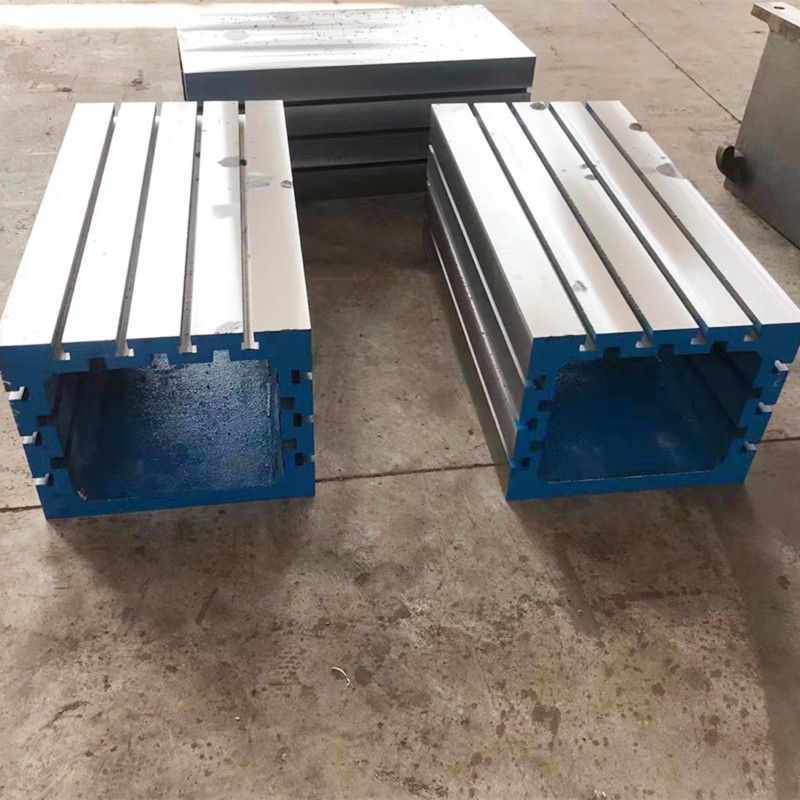
Versatile 3D Welding Table for Enhanced Fabrication and Precision Work
The Importance and Advantages of 3D Welding Tables in Modern Fabrication In the world of metal fabri

Y filtre en fonte
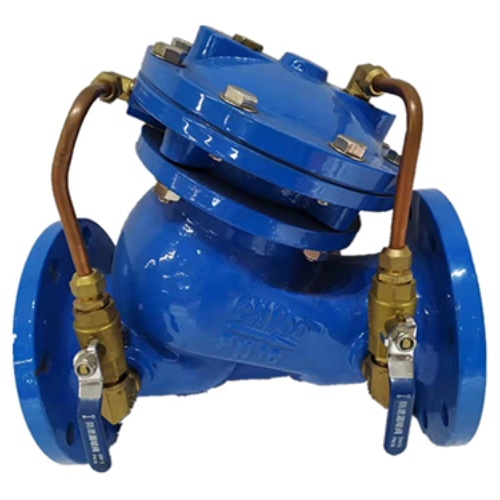
Le Strainer Y en Fonte Un Équipement Indispensable pour l’Industrie Dans le domaine de l’industrie,
welding table 4x8
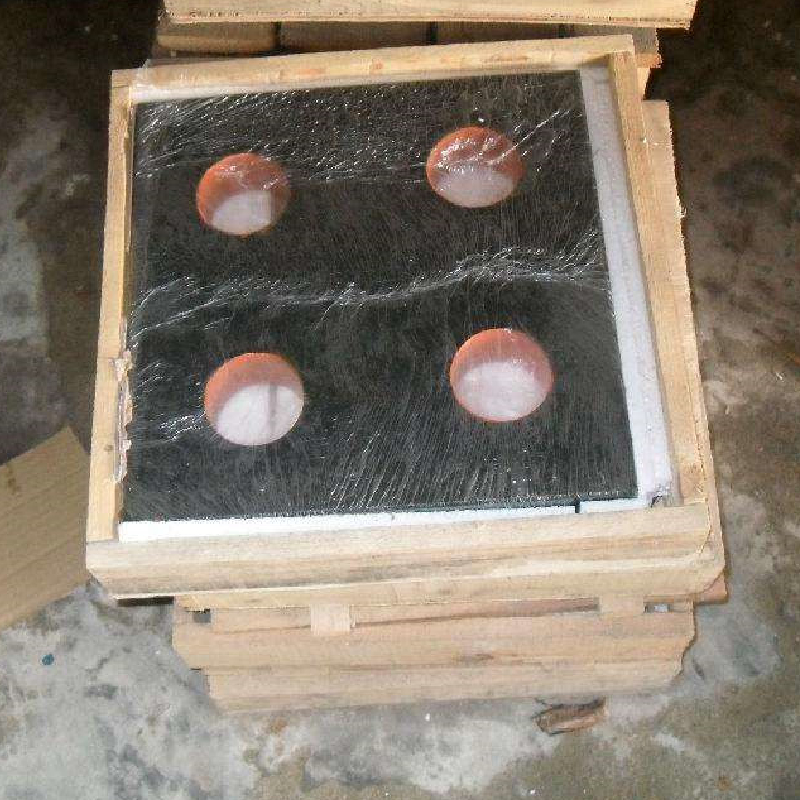
Welding Table 4x8 A Vital Tool for Every Welder In the world of metalworking, a sturdy and functiona
 English